
Behavioural Management Policy
Table of Contents
1. Introduction2. Creating a Positive Learning Environment
3. Behaviour Management
3.1 Acceptable Behaviour
3.2 Other Desirable Behaviours Include
3.3 Unacceptable Behaviour
4. Behaviour Management Strategies – Strategies to Use
4.1 Challenge, Ignore, Divert
4.2 Choice
5. Sanctions
6. Rewards
7. Young Person Running Off
8. Physical Restraint of Young People
9. Situation Management
10. Staff Wellbeing
11. Records and Reporting
12. Smoking and Vaping
13. Drugs or Alcohol
14. Zero-Tolerance
“To facilitate effective learning, maximum enjoyment, and a safe environment, it is our belief that behaviours must be managed in a positive and proactive way.”
1. Introduction
The development goal that Innovate Dorset Ltd. is working towards is to be able to provide a part-time alternative education environment for the needs of young people while they are placed with Innovate Dorset Ltd., and the overall aim of helping to ensure the YP Innovate Dorset Ltd. works with, have opportunities and qualifications to enable them to either re-engage and/or return to fulltime education, further education, training, or work.
However, to work with young people effectively, Innovate Dorset Ltd. needs to understand that the YP referred to Innovate Dorset Ltd.’s part-time service may have specific learning needs or come from chaotic home lives and may have experienced hardship in various ways. To help them, Innovate Dorset Ltd. sets consistent boundaries and behaviour expectations that have clear consequences if the following standards are not met.
To facilitate effective learning, maximum enjoyment, and a safe environment, it is Innovate Dorset Ltd.’s belief that behaviour must be managed in a positive and proactive way.
2. Creating a Positive Learning Environment
In all our work, the Company seeks to create a positive learning environment by:
- Promoting positive behaviour and respect for authority.
- Setting and maintaining consistent boundaries.
- Promoting self-esteem and self-discipline.
- Developing positive, appropriate relationships based on mutual respect.
- Providing a safe environment, free from disruption, violence, bullying or harassment.
- Liaising effectively with parents, other agencies, and referring agencies.
3. Behaviour Management
3.1 Acceptable Behaviour
- Participating in the activity or lesson.
- Listening carefully to staff and other group members.
- Following instructions requested by staff.
- Showing respect for the venue, equipment and environment.
- Using appropriate language.
3.2 Other Desirable Behaviours Include
- Co-operating with other group members.
- Remaining calm in difficult or challenging situations.
- Showing responsibility for oneself e.g. by having appropriate clothing and being punctual for sessions.
- Sharing own understanding with others in the group.
3.3 Unacceptable Behaviour
- Name-calling.
- Threatening or offensive language or behaviour.
- Walking off from the group.
- Refusal to comply with safety instructions.
- Intimidation.
- Physical abuse.
- Bullying and harassment, including racist, sexist, or homophobic abuse.
- Smoking and/or vaping.
- Use of personal electrical equipment (such as mobiles) at inappropriate times.
4. Behaviour Management Strategies – Strategies to Use
There are two strategies that the Company recommends using.
4.1 Challenge, Ignore, Divert
The first strategy is the Challenge, Ignore, Divert model for managing behaviour where there is not an existing strategy to follow.
CHALLENGE any behaviour that is not desirable. This challenge can be low key and does not have to be verbal; a subtle shake of the head or raised eyebrows can be a start point.
IGNORE the behaviour and give the young person time to think about what has been said and comply without losing face.
DIVERT attention away from the negative behaviour and back towards the activity or another constructive task using enthusiasm or humour.
This cycle is then repeated.
4.2 Choice
The second gives more flexibility within personal style but must be used carefully, based on experience. The use of choice is an essential tool within behaviour management. The young person must be given two clear and concise choices, the sanction first followed by the preferred action, in such a way that the young person is able to comply without losing face in front of their peers or other staff. There should be clearly identified sanctions for the unacceptable behaviour that the staff member is fully prepared and equipped to follow through.
5. Sanctions
Sanctions are needed to respond to unacceptable behaviour and to keep activities safe. They will be used when necessary to establish boundaries and keep sessions safe; early intervention and reinforcement of acceptable behaviours are the preferred way of managing behaviour. Company staff will seek to use sanctions in a way that makes the following clear:
- Exactly what behaviour was considered unacceptable.
- What the YP is expected to do differently next time.
- That the sanction is appropriate to the unacceptable behaviour.
- Who will be informed about the sanction and the reasons for this.
- Some examples of sanctions:
- Time out of the activity.
- Removal of privileges or favours.
- Temporary exclusion from the group.
The Company's educational programmes are a part of a whole school curriculum, so it would rarely be appropriate that a sanction be exclusion. Genuine concerns about the safety of the participant or other group members would be the only justification for exclusion.
If exclusion is being considered, a panel of senior staff will review the YP placement before a decision is made.A sanction should never be unattainable for either the student or staff member, such as a total ban from using social media.
6. Rewards
The Company encourages the use of certain types of reward to motivate appropriate and desirable behaviour.
The following are examples of rewards that may be used:
- Praise for behaving appropriately.
- Positive feedback to parent or another appropriate person.
- Allowing a group or individual increased autonomy with their programme of study.
- Certificates.
- A drink out, such as a hot chocolate in a café.
Rewards that are not considered appropriate in most circumstances are: food, drink (energy drinks) or other items that have a tangible cost (can be sold) associated with them or could be considered by some to be basic necessities.
It is accepted that occasionally sweets or treats may be of benefit; however the Company discourages this from becoming a focus or expected because of good behaviour.
7. Young Person Running Off
If a YP runs off from an activity or session, staff should not chase the YP unless it is deemed absolutely necessary on safety grounds. If staffing levels permit, then it may be possible for a member of staff to follow the YP at a distance, keeping them in sight. They should only be stopped if the YP is in any danger. Where a YP has clearly left the session and cannot be returned, the Designated Safeguarding Lead/Deputy Designated Safeguarding Lead (DSL/DDSL) must be informed. The DSL/DDSL will then instruct the office to inform the parents/carers as a matter of urgency. This is essential to transfer the ‘duty of care’ back to them.
DSL: DDSL:
| DSL Mr Samuel Thomas Wimborne Hub 01202 885511 s.thomas@innovatedorset.co.uk | DDSL Aaron Scott Wimborne Hub 01202 885511 a.scott@innovatedorset.co.uk | DDSL Vanessa Phillips Wimborne Hub 01202 885511 v.phillips@innovatedorset.co.uk | DDSL Simon Keys Sherborne Hub 01202 885511 s.keys@innovatedorset.co.uk |
Parents/carers should be informed immediately, however, if they cannot be contacted or where it may not be appropriate to contact them for specific reason, the Police may be informed of a YP absconding the session. The referring contact should be informed at the earliest convenience.
8. Physical Restraint of Young People
The Company has a hands-off policy towards children and YP and will only use physical intervention to prevent the real and imminent threat of physical harm to a YP, member of staff, or property.
It should be highlighted that excessive use of physical restraint or use of restraint in anger by a staff member may lead to disciplinary action. It is emphasised again that Innovate Dorset Ltd. operates a hands-off policy in all but the most extreme situations.Physical intervention must only be used as a last resort and in extreme circumstances where there is an immediate risk of harm.
Staff may intervene physically only when:
- A young person (YP) is engaged in serious physical aggression, such as fighting, and poses a significant risk to themselves or others.
- All other de-escalation strategies have been attempted or are deemed inappropriate due to the urgency of the situation.
- Use the minimum force necessary to prevent harm.
- Aim to block or deflect, wherever possible.
- Ensure that any intervention is proportionate, reasonable, and in line with training.
- Reported immediately to the designated safeguarding lead. (DSL)
- Recorded in detail, including the context, actions taken, and outcomes.
9. Situation Management
Managing a behaviour incident requires a calm attitude and strategic planning. The most senior or experienced member of staff will be required to take control of a situation by proactively directing any other staff in dealing with the situation.
Other staff members not directly involved in the management of the situation should ensure that any other students are safely managed and removed away from the location if possible, and that staff member should then observe from a discrete distance, but refrain from getting directly involved unless absolutely necessary, as often the more adults involved, the worse the situation becomes. If a member of staff finds that they are not involved and do not have a direct role to play in the situation, then they should start to make brief commentary notes with timings to be used later in writing any reports.
10. Staff Wellbeing
Staff who have been directly involved in situation management will be offered support via their Line Manager and/or the Designated Safeguarding Lead.
11. Records and Reporting
The Company keeps session reports of sessions, and this includes descriptions of behaviour (positive and negative) which is used for feedback, to monitor achievement, and as a way of justifying programmes of study.
12. Smoking and Vaping
- YP are not permitted to have in their possession any smoking/vaping equipment.
- No YP will smoke or vape during any Company sessions.
- Being in possession of any smoking/vaping paraphernalia may lead to the immediate cessation of the session.
- Any tobacco, vaping and related paraphernalia may be confiscated.
NB: ‘Smoking’ is defined to include any tobacco based products and e-cigarettes and vaping products.
13. Drugs or Alcohol
It is against the Company ethos to condone any behaviour that is commonly known to cause damage or be a risk to a child or YP’s health. Therefore, the Company takes the following stance against drugs or alcohol:- YP are not permitted to have in their possession any alcohol, drugs, or equipment used in the use of drugs.
- No YP will be permitted to use drugs or alcohol during any Company sessions.
- Any drug paraphernalia or alcohol will be confiscated.
- Being in possession of any drug paraphernalia or alcohol will lead to the immediate cancellation of the session, and parents/carers will be informed.
- The Company will not deliver a session to a YP under the influence of drugs or alcohol.
14. Zero-tolerance
The Company has a zero-tolerance policy in place for any incidents of physical violence against other YP or staff. In the unfortunate event of an incident of this nature occurring, Company staff will call the police or inform parents/carers, depending on the severity of the situation, and a call will be made home to request that the YP be collected immediately.
 | ||
| CONTROL SHEET | Version Number: 4 | Author: K. Tatchell |
| Behaviour Management Policy | Status of policy: Approved | |
| Approved by: Kevin Tatchell | Review Date: Monday 10th November 2025 | Reviewed by: V.Phillips |
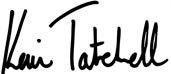 | Next Review Date: Tuesday 10th November 2026 |