
Anti-Bullying Policy
Table of Contents
- Scope of Policy
- Aims of Policy
- Legislation
- Responsibilities
- Definition of Bullying
- Forms and Types of Bullying Covered by This Policy
- Innovate Dorset Ltd. Ethos
- Responding to Bullying
- Cyberbullying
- Supporting Young People
- Supporting Adults
- Preventing Bullying - Environment
- Policy and Support
- Education and Training
- Involvement with Young People
- Involvement and Liaison with Parents and Carers
- Monitoring and Review: Putting Policy into Practice
- Useful Links and Supporting Organisations
1. Scope of Policy
2. Aims of Policy
- To outline what the Company will do to prevent and tackle all forms of bullying.
- This Policy is adopted with the involvement of the entirety of the Company community.
- The Company is committed to developing an anti-bullying culture where the bullying of adults, children or YP is not tolerated in any form.
3. Legislation
There are several pieces of legislation that set out measures and actions for the Company in response to bullying, as well as criminal and civil law. These may include, but are not limited to:
- The Education and Inspection Act 2006, 2011.
- The Equality Act 2010.
- The Children Act 1989, 2004.
- The Education (Independent School Standards) Regulations 2014 (if appropriate).
- Protection from Harassment Act 1997.
- The Malicious Communications Act 1988.
- The Public Order Act 1986.
4. Responsibilities
It is the responsibility of:
- The management is to communicate this Policy to the Company community, to ensure that measures are applied fairly, consistently and reasonably.
- Management to take a lead role in monitoring and reviewing this Policy.
- All staff to support, uphold and implement this Policy accordingly.
- Parents/carers to support their children and work in partnership with the Company.
- Mentees to abide by this Policy.
5. Definition of Bullying
- Bullying can be defined as “behaviour by an individual or a group, repeated over time that intentionally hurts another individual either physically or emotionally” (DfE “Preventing and Tackling Bullying”, July 2017).
- Bullying can include: name calling, taunting, mocking, making offensive comments, kicking, hitting, taking belongings, producing offensive graffiti, gossiping, excluding people from groups and spreading hurtful and untruthful rumours.
- This includes the same unacceptable behaviours expressed online, sometimes called ‘online’ or ‘cyberbullying’. This can include: sending offensive, upsetting and inappropriate messages by phone, text, instant messenger, through gaming, websites, social media sites and apps, and sending offensive or degrading photos or videos.
- The Company recognises bullying as a form of peer on peer abuse. It can be emotionally abusive and can cause severe and adverse effects on children’s emotional development.
6. Forms and Types of Bullying Covered by This Policy
Bullying can happen to anyone. This Policy covers all types and forms of bullying, including:
- Bullying related to physical appearance.
- Bullying of young carers, children in care or otherwise related to home circumstances.
- Bullying related to physical/mental health conditions.
- Physical bullying.
- Emotional bullying.
- Sexual bullying.
- Bullying via technology, known as ‘online’ or ‘cyberbullying’.
- Prejudicial bullying (against people with protected characteristics):
- Bullying related to race, religion, faith and belief and for those without faith.
- Bullying related to ethnicity, nationality or culture.
- Bullying related to Special Educational Needs or Disability.
- Bullying related to sexual orientation (homophobic/bi phobic bullying).
- Gender based bullying, including transphobic bullying.
- Bullying against teenage parents (pregnancy and maternity under the Equality Act).
7. Innovate Dorset Ltd. Ethos
The Company recognises that all forms of bullying, especially if left unaddressed, can have a devastating effect on individuals. It can create a barrier to learning and have serious consequences for mental wellbeing.
By effectively preventing and tackling bullying, the Company can help create a safe environment where YP can learn and fulfil their potential.
The Company:
- Monitors and reviews the Anti-Bullying Policy and practice regularly.
- Supports staff to promote positive relationships to help prevent bullying.
- Recognises that some YP may be more vulnerable to bullying and its impact than others; this may include children with SEND. Being aware of this will help the Company to develop effective strategies to prevent bullying from happening and provide appropriate support, if required.
- Will intervene in identifying and tackling bullying behaviour appropriately and promptly.
- Ensures YP attending the Company are aware that bullying concerns will be dealt with sensitively and effectively, so that everyone feels safe to learn and abide by the Anti-Bullying Policy.
- Requires all members of staff to work with the Company to uphold the Anti-Bullying Policy.
- Recognises the potential impact of bullying on the wider family of those affected, so will work in partnership with parents/carers regarding all reported bullying concerns and will seek to keep them informed at all stages.
- Will deal promptly with grievances regarding the Company’s response to bullying in line with the Company Delivery Complaints Procedure
- Seeks to learn from good anti-bullying practice elsewhere.
- Utilises support from the Local Authority and other relevant organisations when appropriate.
8. Responding to Bullying
The following steps may be taken when dealing with all incidents of bullying reported to the Company:
- If bullying is suspected or reported, the incident will be dealt with immediately by the member of staff who has been approached or witnessed the concern.
- The Company will provide appropriate support for the person being bullied – making sure they are not at risk of immediate harm and will involve them in any decision making, as appropriate.
- The Designated Safeguarding Lead (DSL) or another senior member of staff will interview all parties involved.
- The DSL will be informed of all bullying issues where there are safeguarding concerns.
- The Company will speak with and inform other staff members, where appropriate.
- The Company will ensure parents/carers are kept informed about the concern and action taken, as appropriate and in line with the Company's Child Protection and Confidentiality Policies.
- Sanctions, as identified within the Behaviour Management Policy and the Behaviour Policy, and support will be implemented in consultation with all parties concerned.
- If necessary, other agencies may be consulted or involved, such as the Police if a criminal offence has been committed, or other local services, including Early Help or Children’s Social Care, if a child is felt to be at risk of significant harm.
- Where the bullying of or by YP is during normal Company hours (including cyberbullying), the Company will ensure that the concern is fully investigated. If required, the DSL will collaborate with other agencies. Appropriate action will be taken, including providing support and implementing sanctions at the Company in accordance with this Policy and the Company’s Behaviour Management Policy and Behavioural Policy.
- A clear and precise account of bullying incidents will be recorded by the Company in accordance with existing procedures. This will include recording appropriate details regarding decisions and actions taken.
9. Cyberbullying
When responding to cyberbullying concerns, the Company will:
- Act as soon as an incident has been reported or identified.
- Provide appropriate support for the person who has been cyberbullied and work with the person who has carried out the bullying to ensure that it does not happen again.
- Encourage the person being bullied to keep any evidence (screenshots) of the bullying activity to assist any investigation.
- Take all available steps, where possible, to identify the person responsible. This may include:
- Identifying and interviewing possible witnesses.
- Contacting the service provider and the Police, if necessary.
- Work with the individuals and online service providers to prevent the incident from spreading and assist in removing offensive or upsetting material from circulation.
- Support reports to a service provider to remove content if those involved are unable to be identified or if those involved refuse to or are unable to delete content.
- Requesting the deletion of locally-held content and content posted online if they contravene the Company’s Behavioural Policies.
- Ensure that sanctions are applied to the person responsible for cyberbullying; the Company will take steps to change the attitude and behaviour of the bully, as well as ensure access to any additional help that they may need.
- Inform the Police if a criminal offence has been committed.
- Provide information to staff and children/YP regarding steps they can take to protect themselves online. This may include:
- Advising those targeted not to retaliate or reply.
- Providing advice on blocking or removing people from contact lists.
- Helping those involved to think carefully about what private information they may have in the public domain.
10. Supporting Young People
YP who have been bullied will be supported by:
- Reassuring the YP and providing continuous pastoral support.
- Offering an immediate opportunity to discuss the experience with their mentor, the DSL, or a member of staff of their choice.
- Being advised to keep a record of the bullying as evidence and discuss how to respond to concerns and build resilience as appropriate.
- Working towards restoring self-esteem and confidence.
- Providing ongoing support. This may include: working and speaking with staff, offering formal counselling, and engaging with parents/carers.
- Where necessary, working with the wider community and local/national organisations to provide further or specialist advice and guidance. This could include support through Early Help or Children's Social Work Service, or support through the Children and Young People’s Mental Health Service (CYPMHS).
- Young people who have perpetrated bullying will be helped by:
- Discussing what happened, establishing the concern and the need to change.
- Informing parents/carers to help change the attitude and behaviour of the child.
- Providing appropriate education and support regarding their behaviour or actions.
- If online, request that the content be removed and report accounts/content to the service provider.
- Where necessary, working with the wider community and local/national organisations to provide further or specialist advice and guidance. This may include involvement from the Police or referrals to Early Help, Children's Social Work Service, or the CYPMHS.
11. Supporting Adults
The Company takes measures to prevent and tackle bullying among children and YP accessing our services. However, it is equally important to recognise that the bullying of adults, including staff and parents, whether by YP, parents or other staff members, is unacceptable.
Adults who have been bullied or affected will be supported by:
- Offering an immediate opportunity to discuss the concern with the DSL or a senior member of staff.
- Advising them to keep a record of the bullying as evidence and discuss how to respond to concerns and build resilience, as appropriate.
- Where the bullying takes place off Company premises or work hours (including online), the Company will still investigate the concern and ensure that appropriate action is taken in accordance with the Company’s Behaviour Policy and Behaviour Management Policy.
- Reporting offensive or upsetting content and/or accounts to the service provider, where the bullying has occurred online.
- Reassuring and offering appropriate support.
- For staff members, a grievance policy is available in the Company's Employee Handbook.
- Working with the wider community and local/national organisations to provide further or specialist advice and guidance.
- Adults who have perpetrated the bullying will be helped by:
- Discussing what happened with a senior member of staff and/or the Company Director to establish the concern.
- Establishing whether a legitimate grievance or concern has been raised and signposting to the Company’s official Delivery Complaints Procedure.
- If online, request that the content be removed.
- Instigating disciplinary, civil or legal action as appropriate or required.
12. Preventing Bullying - Environment
The Company will:
- Create and support an inclusive environment that promotes a culture of mutual respect, consideration and care for others, which will be upheld by all.
- Recognise that bullying can be perpetrated or experienced by any member of the community, including adults and children (peer-on-peer abuse).
- Recognise the potential for children with SEN and disabilities to be disproportionately impacted by bullying and will implement additional pastoral support as required.
- Openly discuss differences between people that could motivate bullying, such as children with different family situations, such as looked-after children or those with caring responsibilities, religion, ethnicity, disability, gender, sexuality, or appearance-related differences.
- Challenge practice and language (including ‘banter’) that does not uphold the values of tolerance, non-discrimination and respect towards others.
- Be encouraged to use technology, especially mobile phones and social media, positively and responsibly.
- Work with staff and outside agencies to prevent and tackle concerns, including all forms of prejudice-driven bullying.
- Actively create “safe spaces” for vulnerable children and YP.
- Celebrate success and achievements to promote and build a positive environment.
13. Policy and Support
The Company will:
- Provide a range of approaches for YP, staff and parents/carers to access support and report concerns.
- Regularly update and evaluate Company practices to consider the developments of technology and provide up-to-date advice and education to all members of the community regarding positive online behaviour.
- Take appropriate, proportionate and reasonable action, in line with existing policies, for any bullying brought to the Company’s attention, which involves or affects YP.
- Implement appropriate disciplinary sanctions. The consequences of bullying will reflect the seriousness of the incident, so that others see that bullying is unacceptable.
- Use a variety of techniques to resolve the issues between those who bully and those who have been bullied.
14. Education and Training
The Company will:
- Train all staff to identify all forms of bullying and take appropriate actions, following the Company’s policies and procedures, including recording and reporting incidents.
- Consider a range of opportunities and approaches for addressing bullying, such as: through displays, discussions, peer support, etc.
- Collaborate with other local educational settings as appropriate, and during key times of the year, for example, during transition.
- Ensure anti-bullying has a high profile throughout the year, reinforced through key opportunities, such as anti-bullying week.
- Provide systematic opportunities to develop YPs’ social and emotional skills, including building their resilience and self-esteem.
15. Involvement with Young People
The Company will:
- Involve YP in policy writing and decision making, to ensure that they understand the Company’s approach and are clear about the part they play in preventing bullying.
- Regularly canvas children's and YPs’ views on the extent and nature of bullying.
- Ensure that all pupils know how to express worries and anxieties about bullying.
- Ensure that all YP are aware of the range of sanctions that may be applied against those engaging in bullying.
- Involve YP in anti-bullying campaigns within the company and embed messages in the wider company curriculum.
- Utilise YP’s voices in providing youth-led education and support.
- Publicise the details of internal support, as well as external helplines and websites.
- Offer support to YP who have been bullied and to those who are bullying to address the problems they have.
16. Involvement and Liaison with Parents and Carers
The Company will:
- Take steps to involve parents and carers in developing policies and procedures, to ensure they are aware that the Company does not tolerate any form of bullying.
- Make sure that key information about bullying (including policies and named points of contact) is available to parents/carers in a variety of formats.
- Ensure all parents/carers know who to contact if they are worried about bullying and where to access independent advice.
- Work with all parents/carers and the local community to address issues beyond the Company that give rise to bullying.
- Ensure that parents work with the Company to model positive behaviour for YP, both on- and offline.
- Ensure all parents/carers know about the Company’s Delivery Complaints Procedure and how to use it effectively to raise concerns in an appropriate manner.
17. Monitoring and Review: Putting Policy into Practice
- The Company will ensure that mechanisms to ensure that this Policy is being consistently applied are regularly monitored and evaluated.
- Any identified issues will be incorporated into the Company’s policies and procedures.
- Management will be informed of bullying concerns, as appropriate.
- Lead Staff will report regularly to the relevant organisations on reports of bullying, including outcomes.
18. Useful Links and Supporting Organisations
- Anti-Bullying Alliance: Anti-Bullying Alliance.
- Keeping Children Safe in Education: Keeping children safe in education - GOV.UK
- Childline: Childline | Childline.
- Family Lives: Parenting and Family Support | Family Lives.
- Kidscape: Help With Bullying | Bullying Advice | Kidscape.
- MindEd: MindEd Hub.
- NSPCC: NSPCC | The UK children's charity | NSPCC.
- The BIG Award: Bullying Intervention Group | Anti-bullying Experts.
- PSHE Association: PSHE Association | Charity and membership body for PSHE education.
- Restorative Justice Council: Restorative Justice Council | Promoting quality restorative practice for everyone.
- The Diana Award: The Diana Award.
- Victim Support: Home - Victim Support.
- Young Minds: YoungMinds | Mental Health Charity For Children And Young People | YoungMinds.
- Young Carers: Young Carers - Help & Support | Carers Trust.
- Changing Faces: Changing Faces | Visible Difference & Disfigurement Charity.
- Mencap: Learning Disability - Down syndrome - Williams syndrome | Mencap.
- Anti-Bullying Alliance Cyberbullying and Children and Young People with SEN and disabilities: Contact: the charity for families with disabled children.
- DfE SEND code of practice: SEND code of practice: 0 to 25 years - GOV.UK
- Childnet: Childnet — Online safety for young people.
- Internet Watch Foundation: Eliminating Child Sexual Abuse Online | Internet Watch Foundation IWF.
- Think U Know: CEOP Education.
- UK Safer Internet Centre: Homepage - UK Safer Internet Centre.
- The UK Council for Child Internet Safety (UKCCIS): UK Council for Child Internet Safety (UKCCIS) - GOV.UK.
- DfE “Cyberbullying: advice for headteachers and school staff”: Preventing bullying - GOV.UK.
- DfE “Advice for parents and carers on cyberbullying”: Preventing bullying - GOV.UK.
- Anne Frank Trust: Anne Frank Trust UK.
- Kick It Out: Home Page | Kick It Out.
- Report It: Stop Homophobic, Transphobic, Racial, Religious & Disability Hate Crime - True Vision.
- Stop Hate: Home - Stop Hate UK.
- Tell Mama: Tell Mama: Report in Anti-Muslim Hate or Islamophobia.
- Educate Against Hate: Educate Against Hate - Prevent Radicalisation & Extremism.
- Show Racism the Red Card: News and Events - Show Racism the Red Card.
- Barnardo’s LGBT+ Hub: LGBT+ young people | Barnardo's.
- Metro Charity: Embrace difference | METRO Charity.
- EACH: Farewell - EACH | EACH.
- Proud Trust: The Proud Trust - Home of LGBT+ Youth.
- Schools Out: - LGBT+ History Month.
- Stonewall Sexual harassment and sexual bullying: Homepage | Stonewall.
- Ending Violence against Women and Girls (EVAW): Home | End Violence Against Women.
- A Guide for Schools: endviolenceagainstwomen.org.uk/wp-content/uploads/EVAW-Coali....
- Disrespect NoBody: Disrespect NoBody campaign - GOV.UK.
- Anti-Bullying Alliance: Preventing and responding to sexual bullying: Sexual and sexist bullying.
- Anti-Bullying Alliance: advice for school staff and professionals about developing effective anti-bullying practice in relation to sexual bullying: All about bullying.
- Additional links can be found in ‘Preventing and Tackling Bullying’ (July 2017): Preventing bullying - GOV.UK.
 | ||
| CONTROL SHEET | Version Number: 2 | Author: Samuel Thomas |
| Anti-Bullying Policy | Status of policy: Approved | |
| Approved by: Kevin Tatchell | Date of Review: 11 September 2025 | Reviewed by: Samuel Thomas |
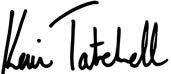 | Next Review Date: 11 September 2026 |